What is windshield protection film?
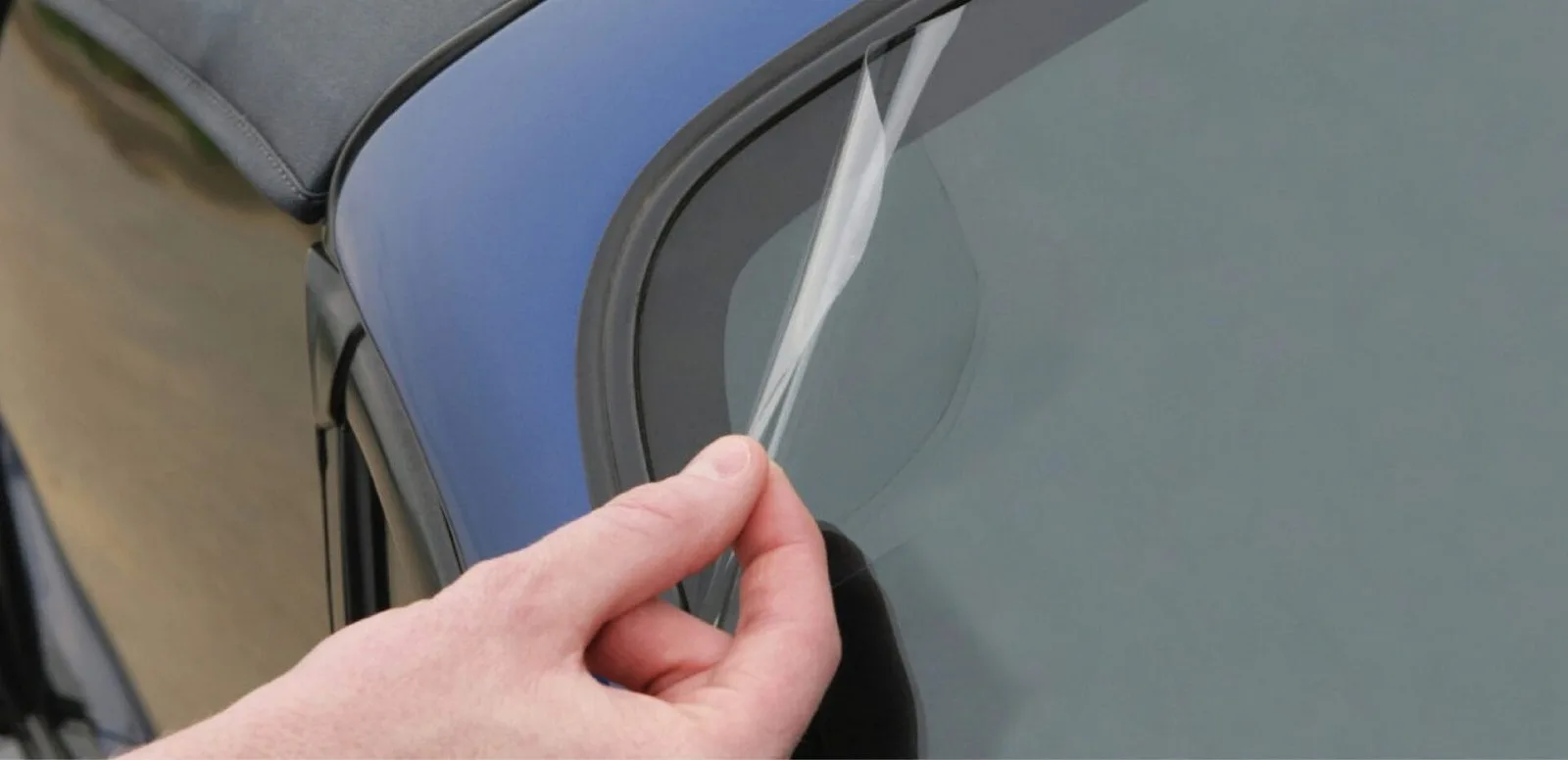
Windshield protection film (WPF) is a transparent film fitted to the outside of a windshield, where it takes the grit, wiper wear and small stones that would otherwise scratch and pit the glass. Like paint protection film (PPF) on bodywork, the film is the surface that wears, and the glass underneath stays as it was.
No film makes glass unbreakable, and a heavy enough stone will still crack a windshield through it. The film is there for the slow damage, the pitting and fine scratching that build up over years of motorway driving and scatter the light of oncoming headlights at night.
The two GT Vision films are built on a TPU base with a self-healing surface, where light scratches close up with heat, and a nano-coating that sheds water and dirt. The rest of the Vision Series applies the same idea to a car’s headlights, rear lights and roof glass.
The films in the Vision Series
Each film in the Vision Series is made for one part of the car. The table shows where each one is fitted and what it does there.
| Film | Fitted to | What it does | Appearance |
|---|---|---|---|
| GT Vision 80 Windshield Protection Film | Windshield | Protects the glass against scratches and UV, and rejects infrared heat | Tinted |
| XP2100 Windshield Protection Film | Windshield | Resists impact and wear, with UV protection | High clarity |
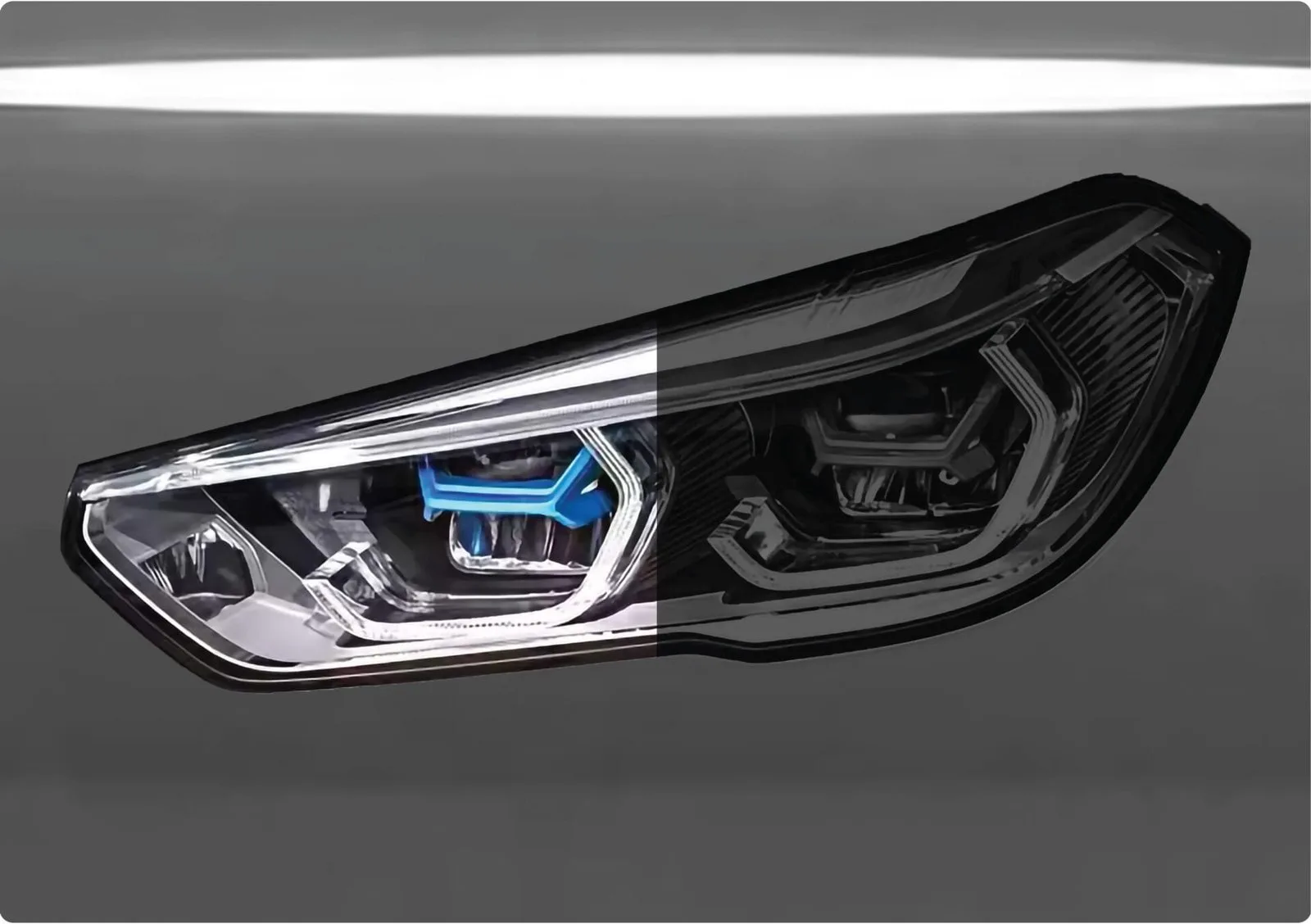
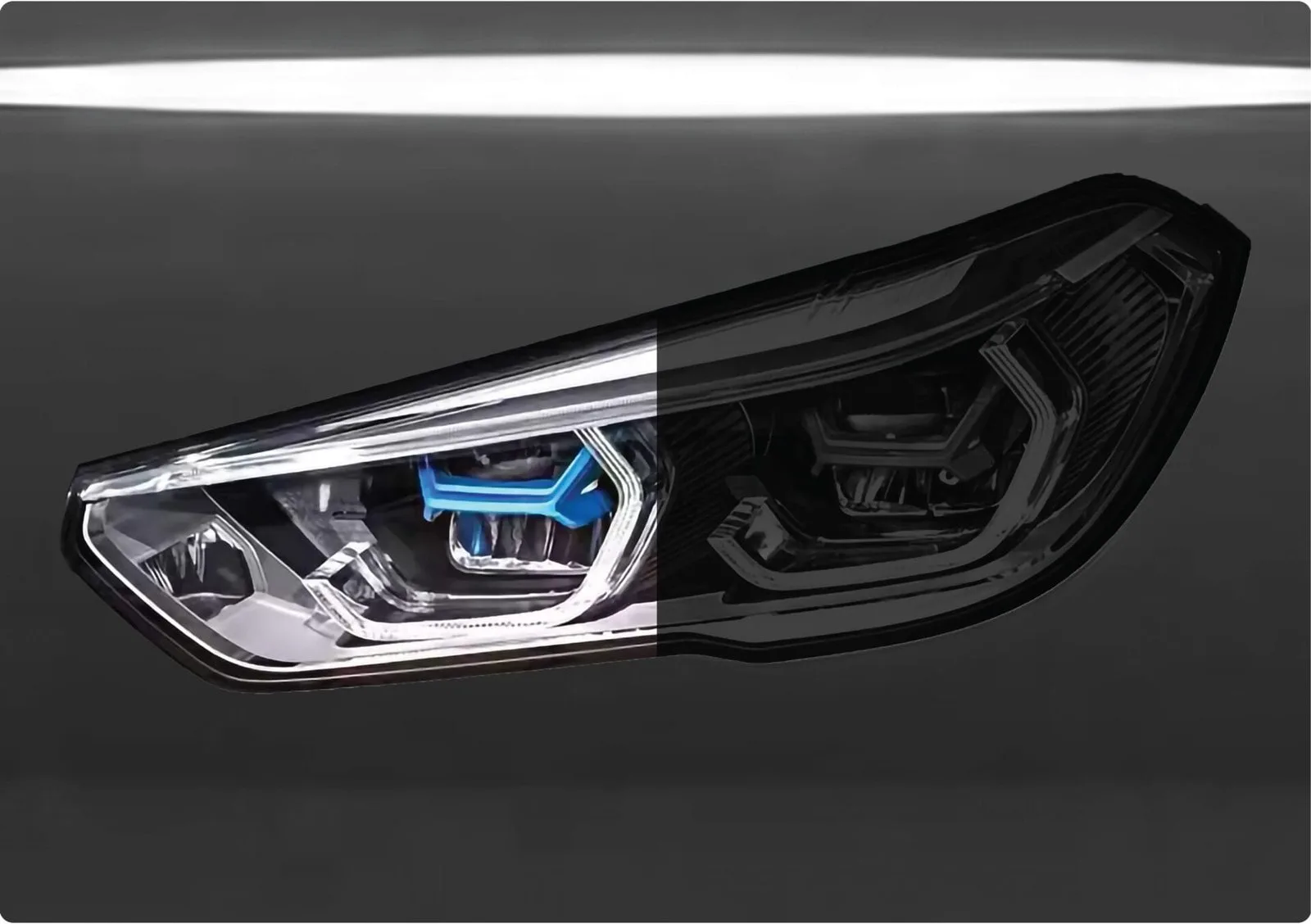
| Headlight PPF | Headlights and rear lights | Protects the lenses against scratches, stone chips and UV | Black tint, light to dark |
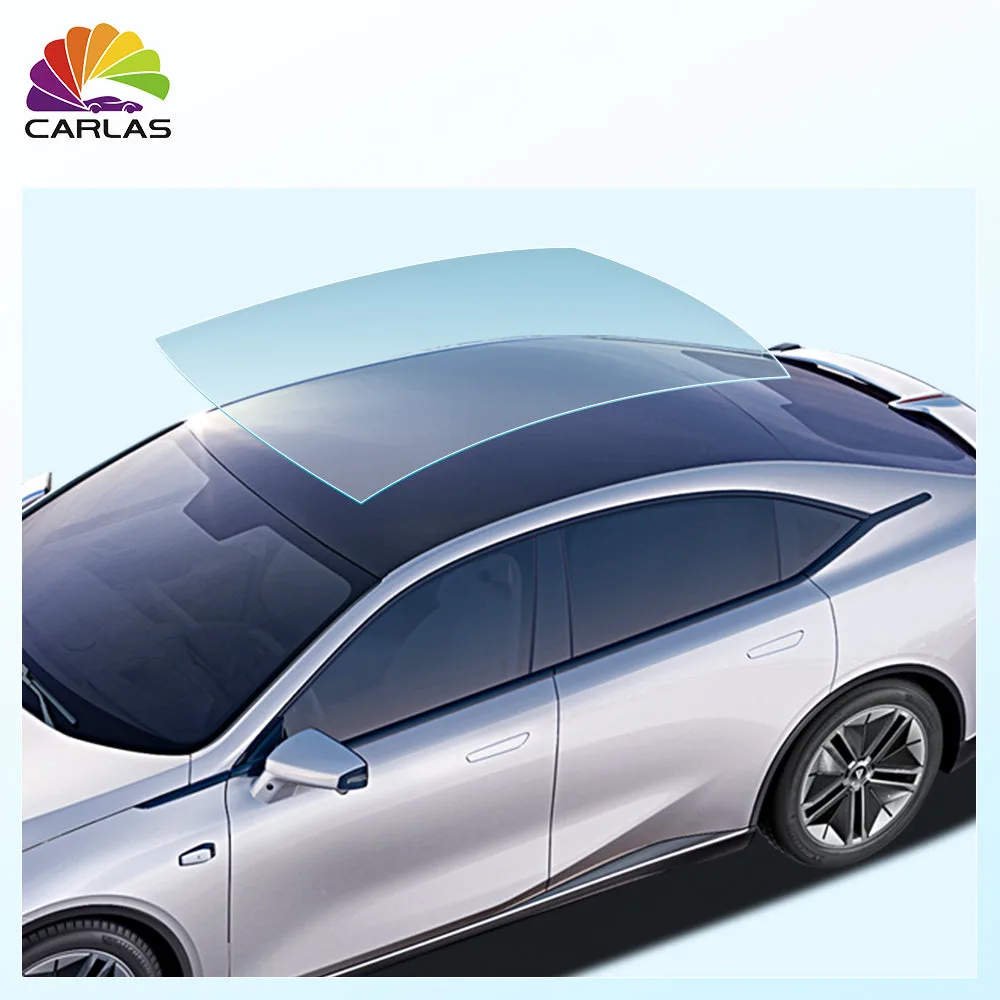
| Sunroof Pano PPF | Panoramic roof and sunroof | Protects the glass against scratches and stone chips, and insulates against heat and UV | Lets daylight through |
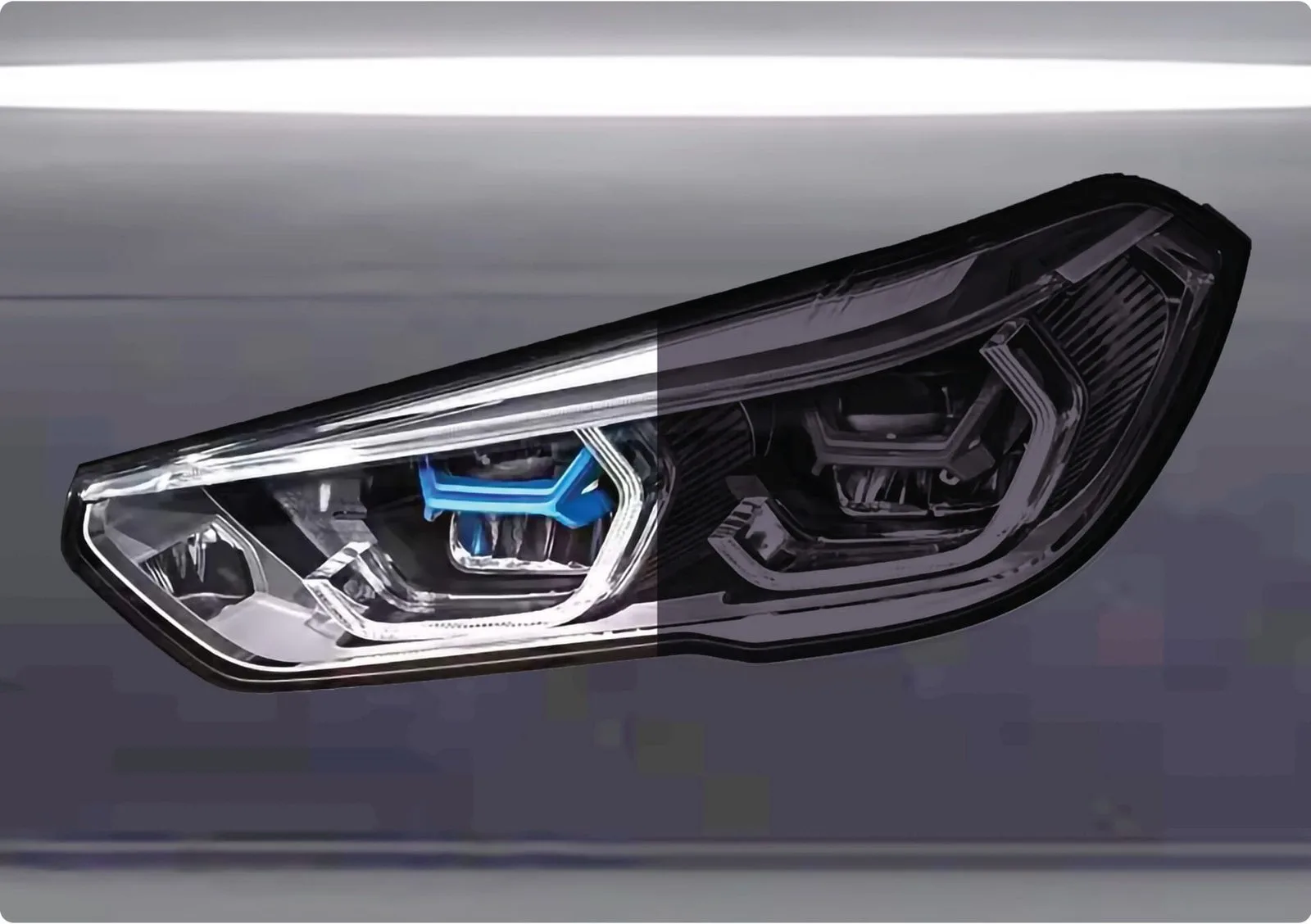
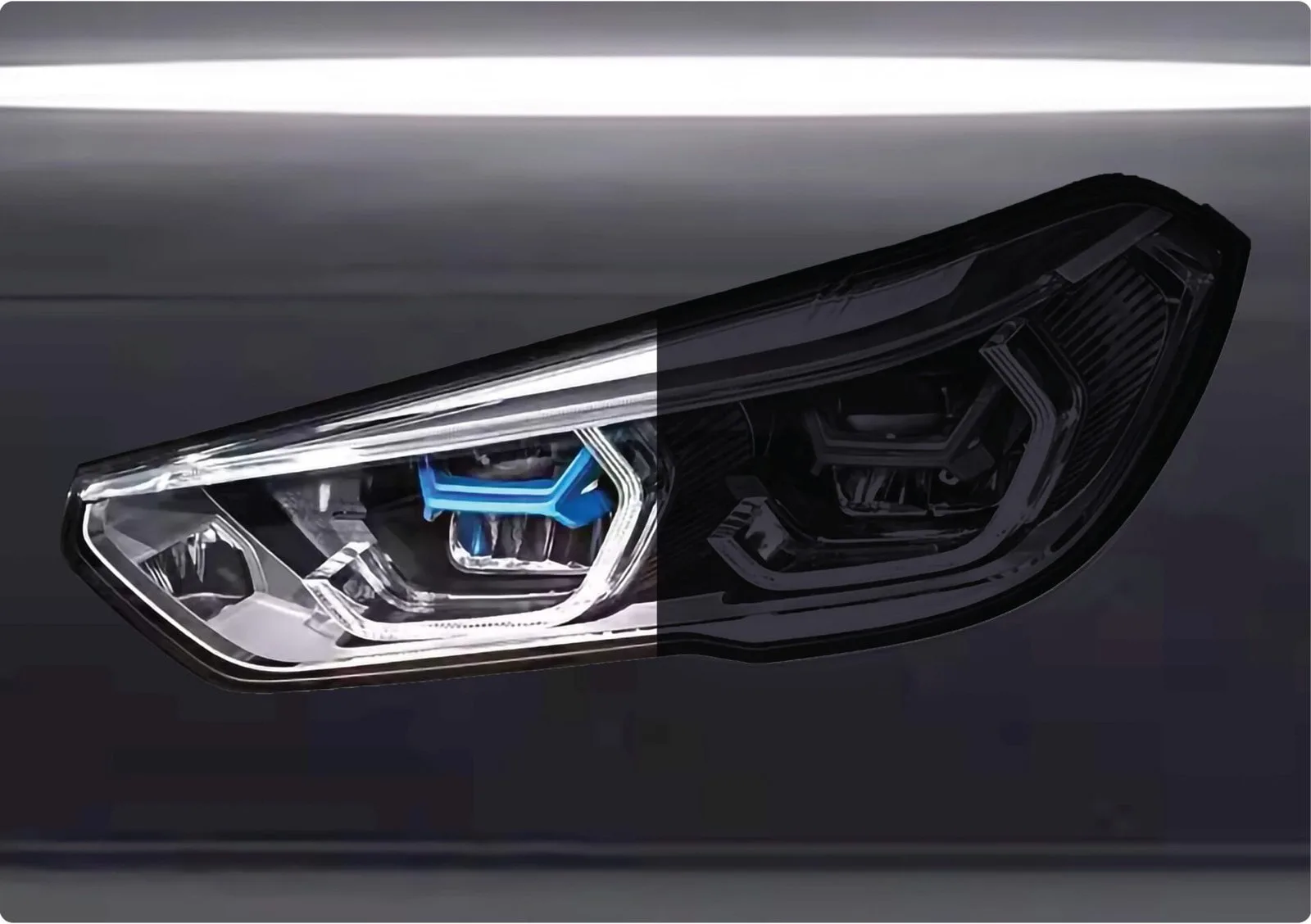
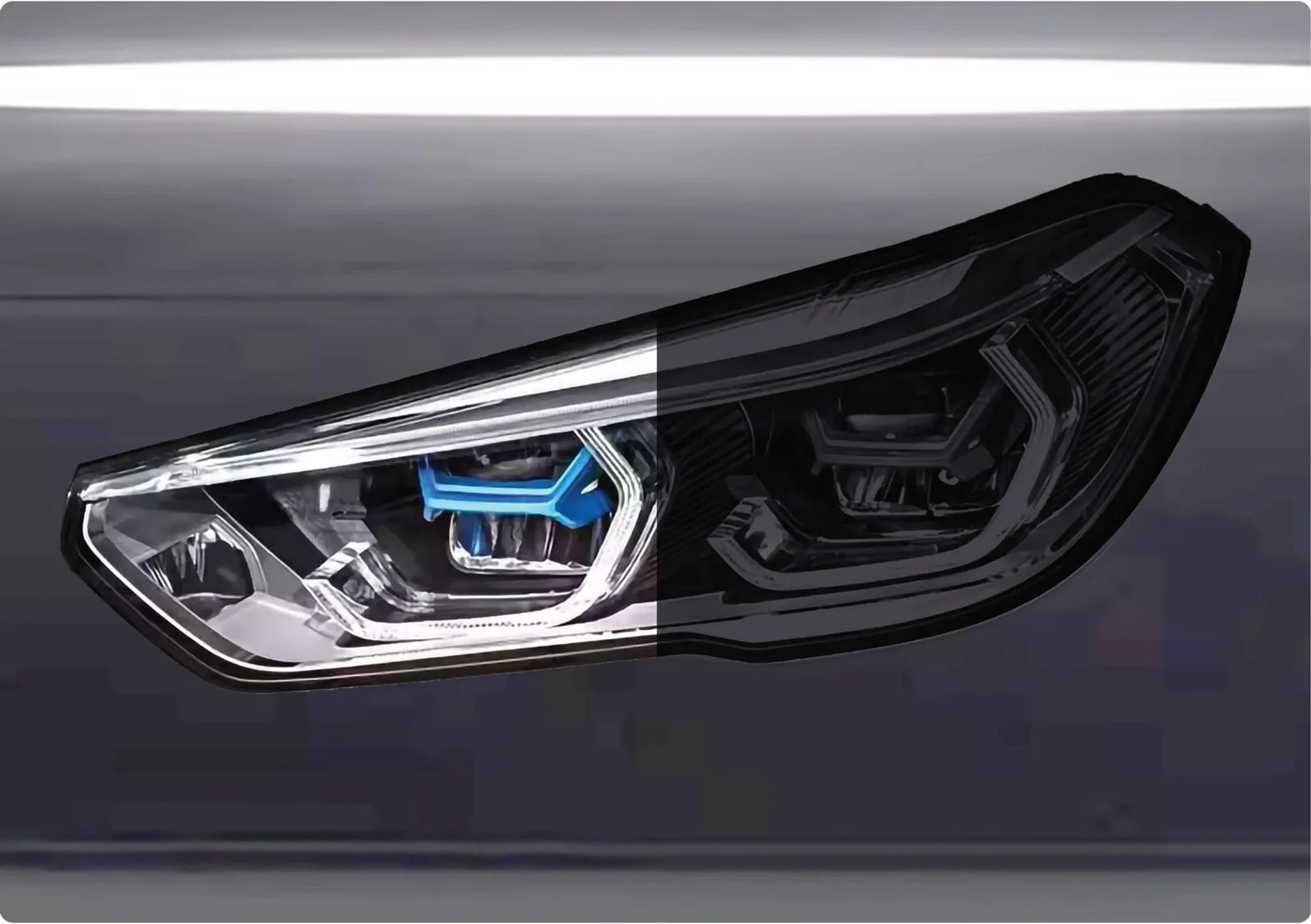
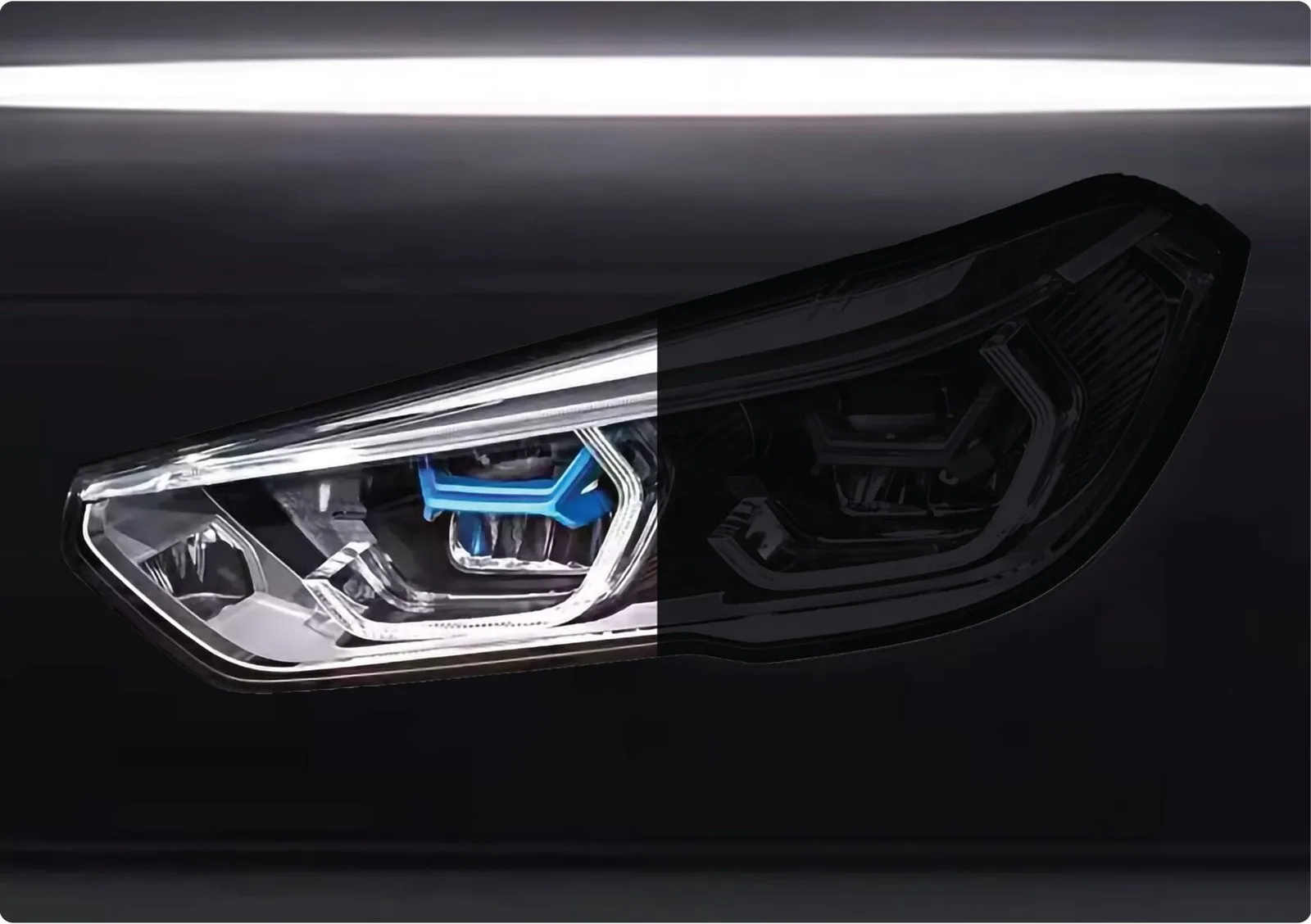
Headlight tint film, from light to dark
Headlight film protects the lenses of headlights and rear lights against scratches, stone chips, UV and road debris. Modern lenses are polycarbonate plastic, which pits from grit and turns hazy and yellow after years of sun, and that is the damage the film is there to take.
The film comes in six versions, all of them black tints that differ in opacity. The lighter ones stay more see-through and give the lens a light smoked look, and the darker ones take it closer to black, so every version changes the look of the light as well as protecting the lens.
Pano film for panoramic roofs and sunroofs
Pano is a TPU film for panoramic roofs and sunroofs. It is fitted to the outside of the glass, where it guards against scratches and stone chips, and it insulates against the sun’s heat and UV while still letting daylight into the cabin. A panoramic roof faces the sun more directly than any other glass on the car, which is why heat is what owners notice first.
Common questions about the Vision Series
How long does windshield protection film last?
It depends on mileage, wiper use and the roads the car is driven on, because the film is the surface that takes the wear. A windshield film sits in the sweep of the wipers and faces grit head on, so it is treated as a wearing part and replaced once it is marked. Worn or gritty wiper blades shorten the life of any windshield film, so fit fresh blades along with a new film.
Is Pano film fitted inside or outside the roof glass?
Outside. Pano goes on the outer surface of the roof glass, which is how it protects the glass itself against scratches and stone chips. A tint film fitted inside the cabin can reduce heat and glare, but it does nothing for the outer surface of the glass.
More questions are answered on the FAQ page.